




Frac Hose
Frac Hose for High-Pressure Hydraulic Fracturing Operations
A frac hose is used to connect high-pressure equipment during hydraulic fracturing, well stimulation and pressure pumping operations. It helps transfer frac fluid between pumping units, manifolds, frac trees and wellhead equipment.
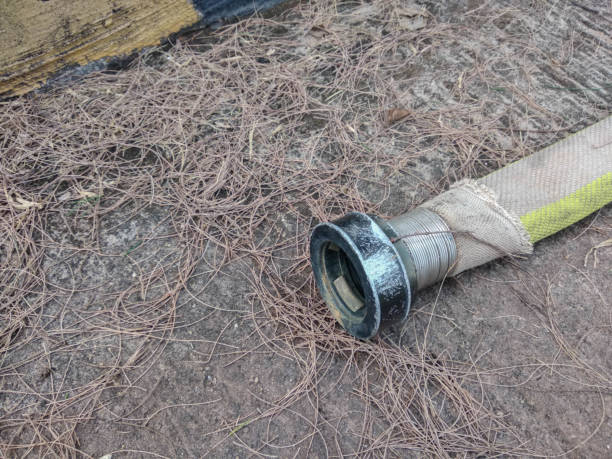
For oilfield operators, pressure pumping companies and well service contractors, frac hose quality is directly related to field safety and operation efficiency. The hose must handle high pressure, movement, abrasive fluid, chemical additives and harsh wellsite conditions.
What Is a Frac Hose?
A frac hose is a high-pressure flexible hose designed for oilfield fracturing service. It is commonly used where rigid flowline is not practical or where some movement is expected during field operation.
Frac hoses are often used between:
- Frac manifold and frac tree
- Pumping unit and manifold
- Frac equipment and flowline system
- Wellhead equipment and temporary pressure control packages
During a frac job, fluid, proppant and chemical additives may pass through the hose at high pressure. The hose structure must resist pressure, abrasion, bending and external damage.
Why Frac Hose Quality Matters
Hydraulic fracturing is demanding on surface equipment. A frac hose may face pressure cycling, vibration, abrasion from sand and repeated field handling. If the hose fails, the operation may stop immediately and create safety risk.
A reliable frac hose helps:
- Transfer high-pressure frac fluid safely
- Reduce leakage risk
- Improve field installation flexibility
- Handle vibration and movement
- Support fast rig-up and rig-down
- Reduce downtime during frac operations
- Improve connection compatibility with manifolds and frac trees
For high-pressure frac operations, the hose should never be selected only by length or price. Pressure rating, connection type and service condition must be confirmed first.
Common Frac Hose Specifications
Before requesting a quotation, buyers should prepare the main technical details.
Important specifications include:
- Working pressure
- Inner diameter
- Hose length
- End connection type
- Temperature range
- Bend radius
- Abrasion resistance
- Fire resistance, if required
- Chemical resistance
- Outer protection layer
- Test pressure
- Quantity
- Destination country
- Required delivery time
If the hose will be used with a frac manifold or frac tree, the connection standard should match the existing equipment.
Frac Hose Structure
A frac hose is usually built with several layers to handle pressure and field wear.
A typical hose structure may include:
- Inner tube or liner
- Reinforcement layer
- Wear-resistant layer
- Fire-resistant layer, if required
- Outer cover
- End fitting or connection
The inner layer must resist frac fluid, sand and chemical additives. The reinforcement layer handles pressure. The outer cover protects the hose from abrasion, weather and field handling damage.
Frac Hose and Complete Frac System
A frac hose does not work alone. It is part of a complete high-pressure fracturing system. The hose should match the pressure rating and connection type of the whole equipment package.
Related equipment includes:
- Frac tree
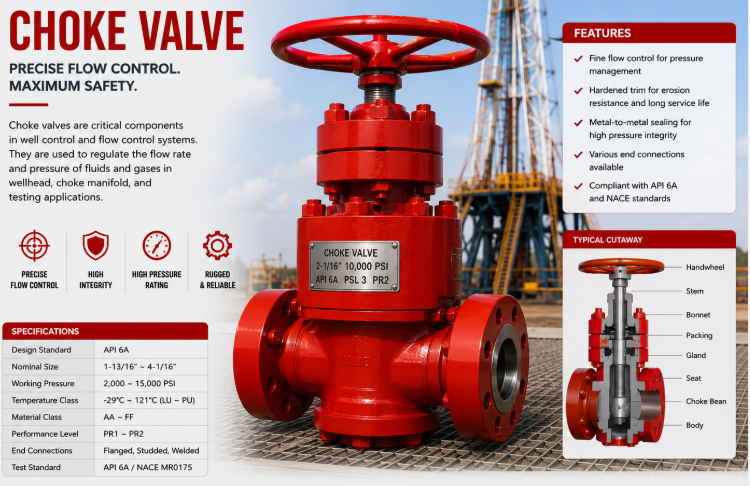
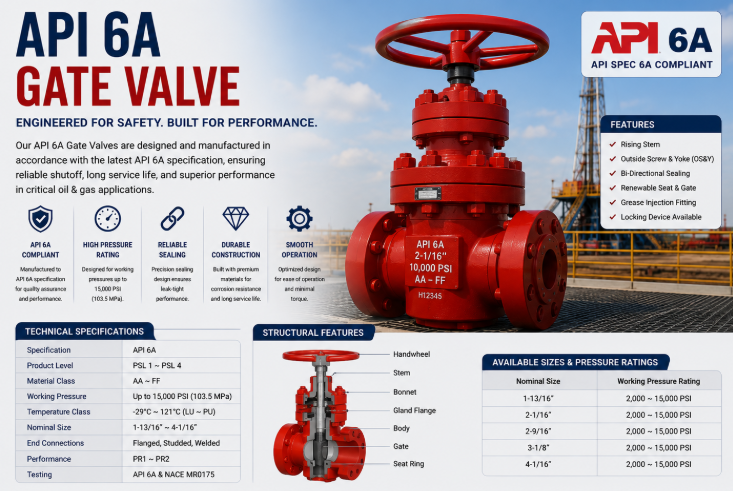
- Frac gate valve
- Frac manifold
- Plug valve
- Check valve
- Pup joint
- Hammer union
- Adapter and crossover
- High-pressure flowline
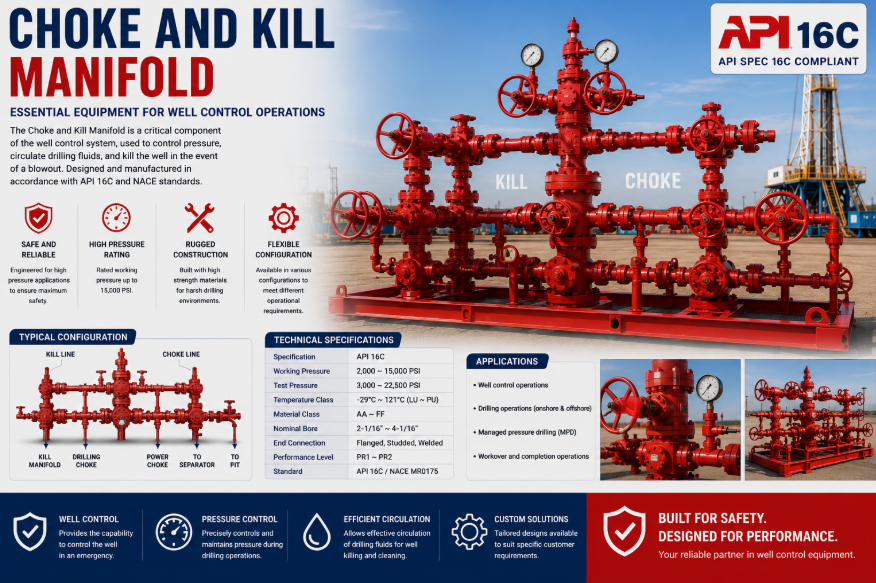
- Choke and kill manifold
If the frac tree and manifold are rated for 15,000 psi, the hose and its end connections should also be checked according to the same pressure requirement.
How to Choose a Frac Hose Supplier
When comparing suppliers, buyers should not focus only on price. A low-cost hose may create higher field cost if it wears quickly, leaks or does not match the connection requirement.
Useful points to check include:
- Experience with oilfield frac hose supply
- Pressure testing capability
- Connection compatibility
- Material and hose structure
- Abrasion resistance
- End fitting quality
- Technical drawing or specification support
- Test certificate availability
- Export packing experience
- Response speed
For overseas buyers, documentation and communication are important. Test reports, specifications, packing details and clear delivery schedules help reduce procurement risk.
Information Needed for a Fast Quotation
To receive a fast and accurate quotation for frac hose, send the following information:
- Product name: frac hose
- Working pressure
- Inner diameter
- Hose length
- End connection type
- Temperature range
- Working medium
- Quantity
- Destination country
- Required delivery time
- Drawing or photo, if available
If the exact connection is not clear, send photos of the existing manifold, frac tree or hose end connection. A supplier can help check the suitable option.
Kytider Frac Hose Supply
Kytider supplies frac hoses, frac trees, frac valves, frac manifolds, plug valves, check valves, high-pressure flowline products and related oilfield equipment for hydraulic fracturing and well stimulation operations.
Kytider can support frac hose selection according to working pressure, inner diameter, length, end connection and project requirements.
If you are sourcing frac hose for a new frac project, replacement order or well service operation, send your technical requirements. Kytider can help check suitable products and provide a quotation.
FAQ
What is a frac hose used for?
A frac hose is used to transfer high-pressure frac fluid between pumping units, manifolds, frac trees and wellhead equipment during hydraulic fracturing operations.
What should I check before ordering a frac hose?
Working pressure, inner diameter, hose length, end connection, temperature range, working medium and quantity should be confirmed.
Can frac hose be customized?
Yes. Hose length, end connection, pressure rating and protection layer can be selected according to project requirements.
What equipment is commonly used with frac hose?
Frac hose is commonly used with frac trees, frac manifolds, frac valves, plug valves, check valves and high-pressure flowline products.
How can I get a quotation from Kytider?
Send working pressure, inner diameter, length, end connection type, quantity and destination country. Photos or drawings will help speed up the quotation.