




API 6A Wellhead Assembly
API 6A Wellhead Assembly for Oil and Gas Well Projects
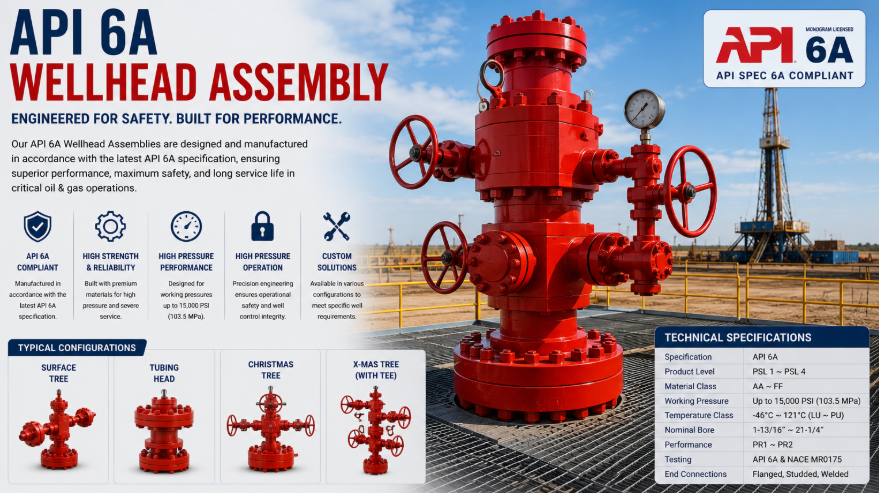
An API 6A wellhead assembly is the surface pressure-control system installed on an oil or gas well. It supports casing and tubing strings, seals annular pressure, connects with BOP or Christmas tree equipment, and provides a safe interface for drilling, completion, fracturing and production operations.
For buyers, a wellhead assembly is not a standard item that should be ordered only by product name. It must be selected according to well structure, pressure rating, casing program, service condition and connection requirements. A properly designed API 6A wellhead assembly helps reduce installation problems, improve pressure integrity and keep the project schedule under control.
What Is Included in an API 6A Wellhead Assembly?
A complete wellhead assembly can be different from project to project, but it usually includes several pressure-containing and sealing components.
Typical components include:
- Casing head
- Casing spool
- Tubing head
- Tubing spool
- Casing hanger
- Tubing hanger
- Wellhead flange
- Adapter flange
- Studded cross
- Studded tee
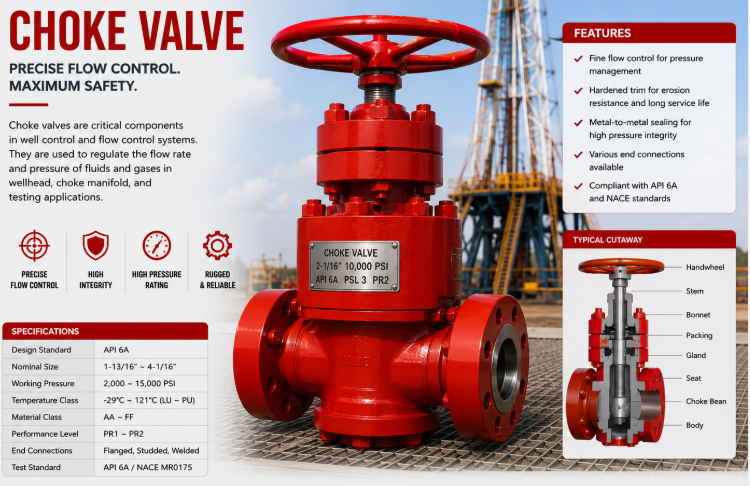
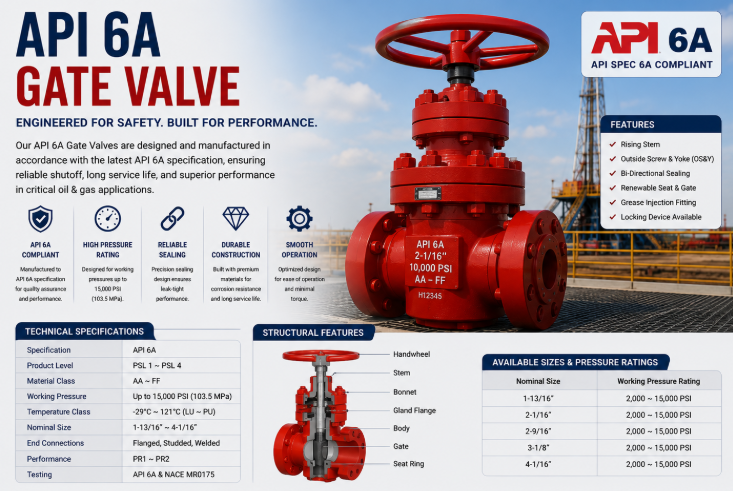
- Gate valve
- Sealing assembly
- Lock screw
- Test port and outlet connection
- Christmas tree or frac tree connection interface
The final configuration depends on the number of casing strings, tubing size, working pressure and whether the well is used for drilling, production, injection or fracturing service.
Why API 6A Matters for Wellhead Assemblies
API 6A is widely used for wellhead and Christmas tree equipment in oil and gas applications. For international projects, API 6A requirements help buyers confirm that the equipment follows recognized design, material, testing and quality-control expectations.
An API 6A wellhead assembly is commonly selected because it supports:
- Standard pressure ratings
- Recognized flange and connection dimensions
- Material traceability
- Pressure testing before shipment
- Defined product specification levels
- Compatibility with other wellhead and pressure-control equipment
- Better acceptance in international oilfield projects
When a buyer requests API 6A equipment, the supplier should be able to discuss pressure rating, material class, PSL level, PR level and test documentation clearly.
Main Applications of API 6A Wellhead Assembly
API 6A wellhead assemblies are used across different stages of oil and gas well operations.
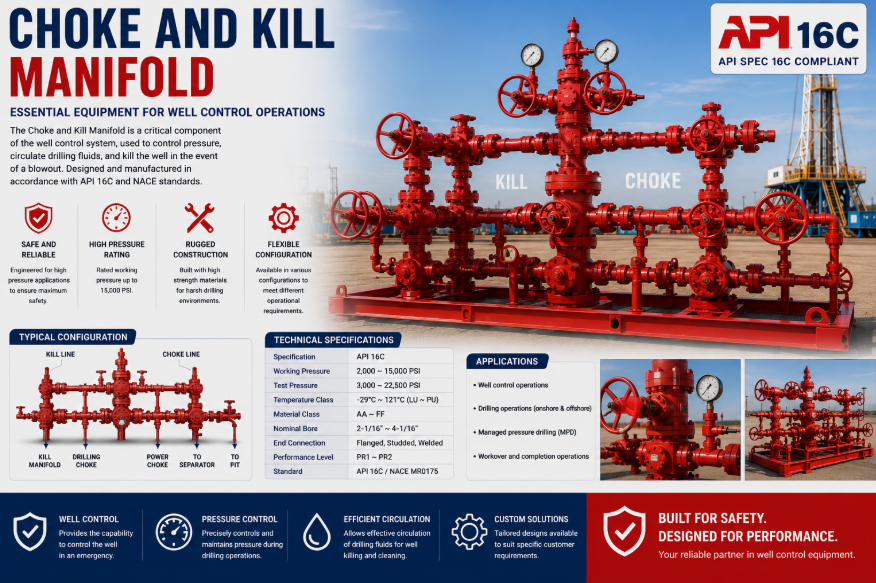
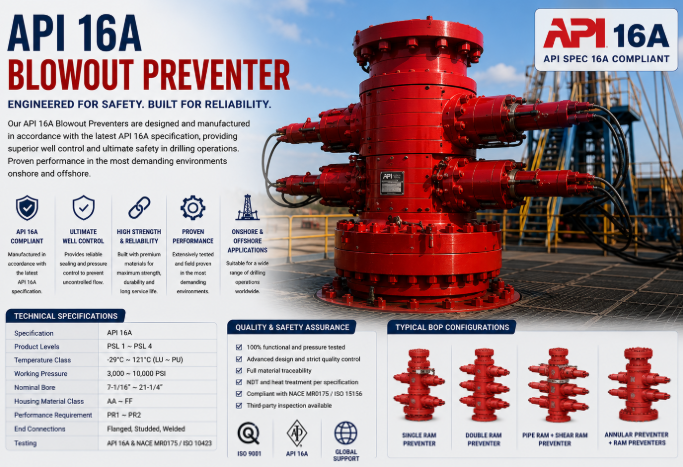
During drilling, the wellhead assembly provides the base connection for BOP equipment and supports casing strings as the well is drilled deeper.
During completion, it provides the connection between casing, tubing and surface control equipment.
During production, it connects with the Christmas tree and helps control produced oil or gas flow.
During fracturing, the wellhead may connect with a frac tree or frac stack for high-pressure stimulation operations.
Common applications include:
- Oil well drilling
- Gas well drilling
- Onshore wellhead projects
- Workover operations
- Production wellhead systems
- Injection wells
- Hydraulic fracturing wells
- Sour gas or high-pressure wells
Key Specifications Buyers Should Confirm
Before ordering an API 6A wellhead assembly, the technical requirements should be confirmed carefully. One missing detail can cause connection mismatch or delay installation at site.
Important specifications include:
- Working pressure: 2,000 psi, 3,000 psi, 5,000 psi, 10,000 psi or 15,000 psi
- Nominal bore size
- Casing size and tubing size
- Number of casing strings
- Top and bottom connection type
- Flange size and pressure rating
- Material class: AA, BB, CC, DD, EE, FF or HH
- PSL level: PSL1, PSL2, PSL3 or PSL4
- PR level: PR1 or PR2
- Temperature class
- Service condition: standard, H2S, CO2 or corrosive service
- Required valves and side outlets
- Drawing or well program requirement
For sour service or high-pressure wells, material class and sealing structure should be reviewed carefully before production.
How Buyers Usually Select a Wellhead Assembly
A practical way to select an API 6A wellhead assembly is to start from the well program instead of starting from a product catalog.
First, confirm the casing program. This determines the casing head, casing spool, hanger type and bore size.
Second, confirm the working pressure. The pressure rating must match the well condition and connected equipment.
Third, confirm the upper connection. This affects whether the assembly will connect with a BOP, Christmas tree, frac tree or adapter.
Fourth, confirm service condition. H2S, CO2, high temperature or corrosive environments may require special material selection.
Finally, confirm inspection documents and delivery schedule. For project procurement, documentation is often as important as the equipment itself.
Common Problems When Sourcing Wellhead Assemblies
Many purchasing delays happen because the inquiry only says “API 6A wellhead assembly” without enough technical information. Suppliers then need to ask many follow-up questions, and the quotation process becomes slow.
Common problems include:
- Missing casing size information
- Unclear pressure rating
- Wrong flange connection
- No material class requirement
- No PSL or PR requirement
- Unconfirmed service condition
- No drawing or wellhead layout
- Different components purchased from different suppliers without compatibility checking
To avoid these issues, buyers should send the well program, drawing or detailed technical list at the beginning of the inquiry.
What to Ask Before Choosing a Supplier
A qualified API 6A wellhead assembly supplier should be able to support both product manufacturing and technical confirmation.
Before placing an order, buyers can ask:
- Can you supply complete API 6A wellhead assemblies?
- What pressure ratings can you support?
- Can you provide casing heads, tubing heads, hangers, flanges and valves together?
- Can you manufacture according to drawing?
- Can you provide pressure test reports?
- Can you support sour service material requirements?
- Can you provide export packing and shipping documents?
- Can you check compatibility with Christmas tree or frac tree equipment?
These questions help separate a real oilfield equipment supplier from a simple trading quotation source.
Information Needed for a Fast Quotation
To receive an accurate quotation, prepare the following information:
- Wellhead assembly type
- Working pressure
- Casing size
- Tubing size
- Bore size
- Connection type
- Material class
- PSL and PR level
- Service condition
- Required valves and outlets
- Quantity
- Drawing or well program
- Destination country
- Required delivery time
If the project is urgent, sending a drawing or existing equipment photo can make the confirmation much faster.
Kytider API 6A Wellhead Assembly Supply
Kytider supplies API 6A wellhead assemblies and related oilfield pressure-control equipment for drilling, completion, fracturing and production applications. Products can be selected according to pressure rating, bore size, casing program, connection type, material class and field service condition.
Kytider can support casing heads, casing spools, tubing heads, tubing spools, hangers, flanges, gate valves, adapter connections, Christmas tree equipment, frac tree equipment and related wellhead components.
If you are sourcing an API 6A wellhead assembly for an oil or gas project, send your technical requirements to Kytider. Our team can help check the configuration and provide a quotation based on your well condition and project schedule.
FAQ About API 6A Wellhead Assembly
What is an API 6A wellhead assembly?
It is a surface wellhead system designed according to API 6A requirements for pressure control, casing support, tubing suspension and connection with other oilfield equipment.
What components are included in a wellhead assembly?
It may include casing head, casing spool, tubing head, tubing spool, casing hanger, tubing hanger, flanges, gate valves and sealing assemblies.
What pressure ratings are common for API 6A wellhead assemblies?
Common pressure ratings include 2,000 psi, 3,000 psi, 5,000 psi, 10,000 psi and 15,000 psi.
Can the wellhead assembly be customized?
Yes. It can be customized according to casing program, tubing size, pressure rating, connection type, material class and field application.