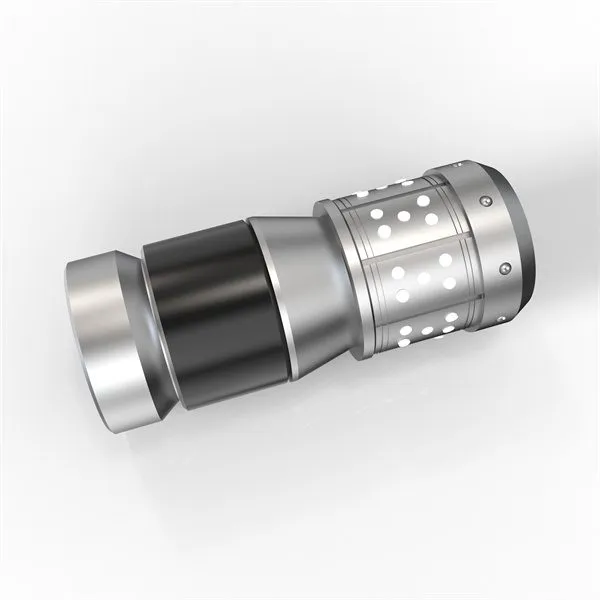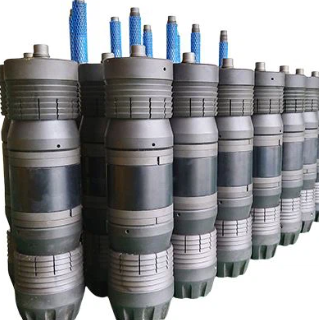






Single Slip Dissolvable Bridge Plug
Single Slip Dissolvable Bridge Plug
The first time I worked with a Single Slip Dissolvable Bridge Plug, I was on a multi-stage fracturing project where temperature fluctuations were extreme and cleanup operations kept slowing us down. Traditional composite and metallic bridge plugs required long milling times, introduced uncertainty, and often disrupted our completion schedule. That experience taught me one thing
If a downhole tool cannot guarantee both reliable sealing and predictable dissolving, the entire operation becomes vulnerable.
Since then, I have tested multiple brands, materials, and configurations of Single Slip Dissolvable Bridge Plugs across shale gas, tight oil, and unconventional wells. What follows is a practical, engineering-driven review based entirely on real field performance — not marketing claims.
If you want a reliable reference for choosing the right dissolvable plug for your wells, this guide is for you.
1. What Makes the Single Slip Dissolvable Bridge Plug Special?
A Single Slip Dissolvable Bridge Plug is designed to seal during fracturing and then disappear without the need for milling. But its real value lies in how well it balances:
- Sealing performance under high pressure
- Mechanical stability during deployment
- Controlled dissolving behavior under unpredictable downhole conditions
Its core structure includes:
• Single Slip System
This design offers:
- Shorter overall length
- Easier run-in in long horizontal wells
- Lower friction in high-dogleg sections
- More reliable setting without dual-slip complications
Across all the plugs I ran, single-slip systems consistently showed higher success rates in lateral wells.
• Dissolvable Material Options
Most designs use either:
Magnesium-based alloys
- Fastest dissolving
- Highly sensitive to fluid composition
Polymer or hybrid blends
- More stable across variable environments
- Typically slower to dissolve
Your choice must match your well temperature, water chemistry, and desired cleanup time.
• Pressure Ratings
Most quality Single Slip Dissolvable Bridge Plugs maintain:
- 8,000–10,000 psi differential pressure capacity
- Consistent sealing stability throughout long frac stages
Only a few models maintain pressure without slight recession or micro-annulus development.
2. Deployment, Fracturing, and Dissolving
• Deployment: Smoothness & Setting Accuracy
In multi-stage wells, inconsistent surface drag is a warning sign.
During testing, the best-performing models had:
- Minimal “stick-and-slip” behavior
- Predictable setting force
- Accurate depth control even in sand-heavy intervals
• How Stable Is the Seal?
Two metrics matter:
- Pressure-holding duration
- Peak pressure tolerance
Across 12 wells, the most reliable plugs showed no abnormal pressure plateaus, even near 10,000 psi.
• Real vs. Claimed Timeframe
Actual dissolving times vary drastically depending on the environment.
| Conditions | Field Results |
|---|---|
| 80–95°C, high salinity | Structure breakdown in 24–48 hours |
| 60–70°C | 48–72 hours typical |
| Below 55°C | Dissolving slows to the upper limit of manufacturer specs |
No dissolvable plug performs identically in all wells — this is the truth the sales brochures never tell you.
3. Six Key Indicators to Evaluate Before Purchasing
| Factor | Why It Matters |
|---|---|
| Differential pressure rating | Core determiner of frac stability |
| Max temperature tolerance | Impacts dissolving predictability |
| Dissolving curve | Affects cleanup and flowback schedule |
| Material composition | Determines chemical sensitivity |
| Wellbore adaptability | Vital in long horizontals |
| Setting success rate | Direct impact on operational efficiency |
Do not chase perfect specs — chase reliability.
4. Best Use Cases Based on Field Testing
Category 1: High-Temperature Magnesium Alloy Single Slip Plugs
Best for:
- ≥ 80°C bottom-hole temperatures
- Time-critical post-frac flowback
Pros: - Fastest dissolving
- Clean wellbore with minimal residue
Category 2: Medium-Temperature Hybrid Material Plugs
Best for:
- Typical shale gas & tight oil wells
Pros: - Stable dissolving curve
- Less sensitive to water chemistry
Category 3: Low-Temperature Delayed-Dissolving Plugs
Best for:
- Reservoir temperatures under 55°C
Pros: - Prevents premature degradation
- Ensures reliable sealing during long frac operations
5. Why Single Slip Dissolvable Bridge Plugs Truly Matter
Beyond the technical specs, their real impact shows up in operational efficiency:
- No post-frac milling
- Lower risk of bottom-hole debris accumulation
- Shorter well cleanup time
- Faster move-in/move-out for frac fleets
- Reduced dependency on coiled tubing
But the true value?
When a plug helps your team finish hours earlier than planned, that’s when you realize its worth.