




Shale Gas Fracturing Equipment
Shale Gas Fracturing Equipment for High-Pressure Oilfield Operations
Shale gas fracturing is one of the most important methods used to produce natural gas from low-permeability shale formations. Because shale reservoirs do not allow gas to flow easily, operators use high-pressure fracturing fluid and proppant to create flow channels in the formation.
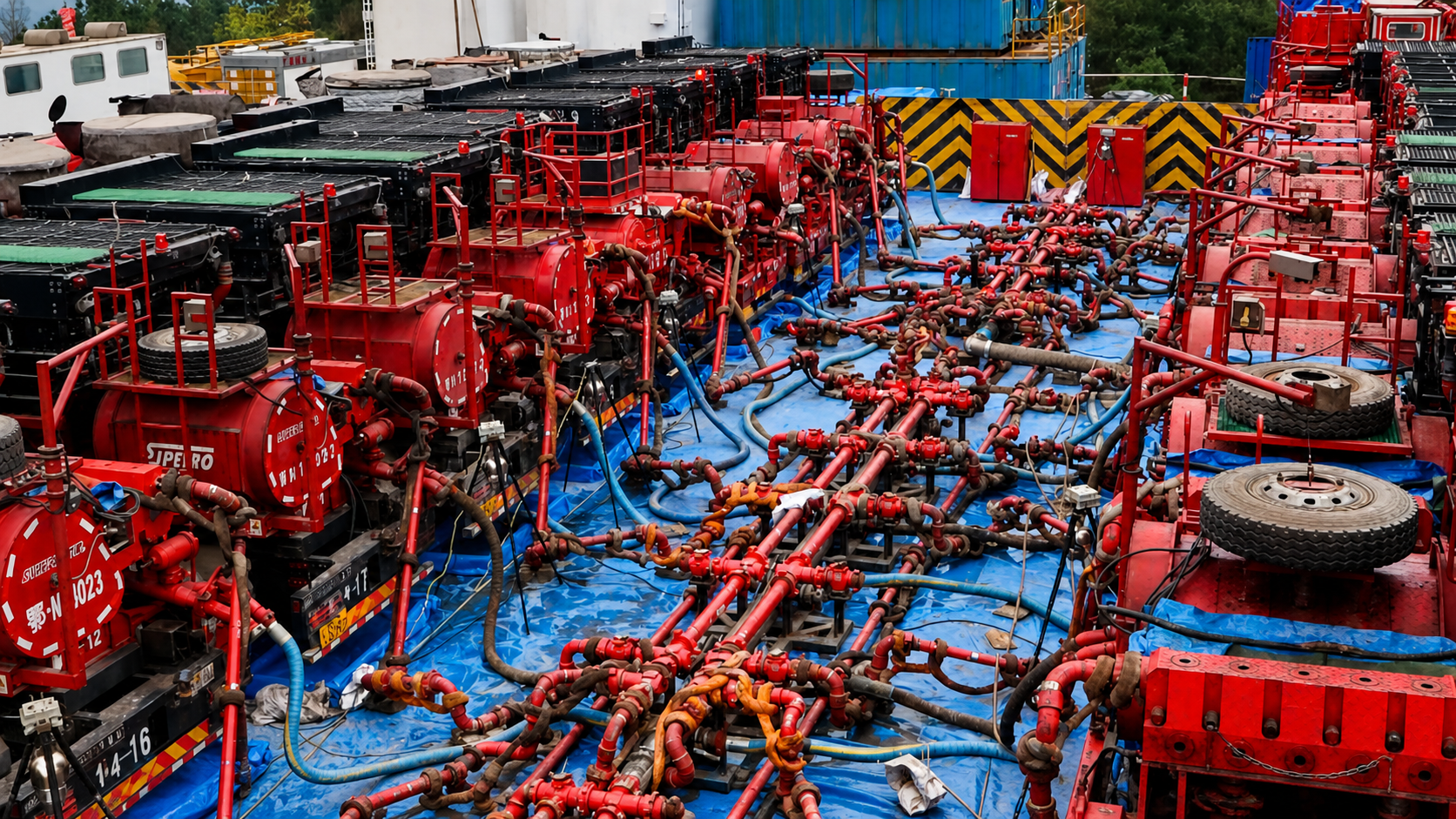
For every shale gas fracturing project, surface equipment plays a critical role. The frac tree, frac valve, frac manifold, frac hose and high-pressure flowline must work together under high pressure, abrasive sand and demanding field conditions.
What Is Shale Gas Fracturing?
Shale gas fracturing is a well stimulation process used to improve gas flow from shale reservoirs. During the operation, fracturing fluid is pumped into the well at high pressure. This pressure creates fractures in the shale formation. Proppant, usually sand or ceramic material, keeps the fractures open so that gas can flow into the wellbore.
A typical shale gas fracturing operation includes:
- Wellhead preparation
- Pressure pumping
- Fracturing fluid injection
- Proppant delivery
- Pressure control
- Flowback operation
- Equipment inspection
Compared with conventional gas wells, shale gas wells often require multi-stage fracturing. This means the equipment may need to operate repeatedly under high pressure, making reliability especially important.
Why Equipment Selection Matters
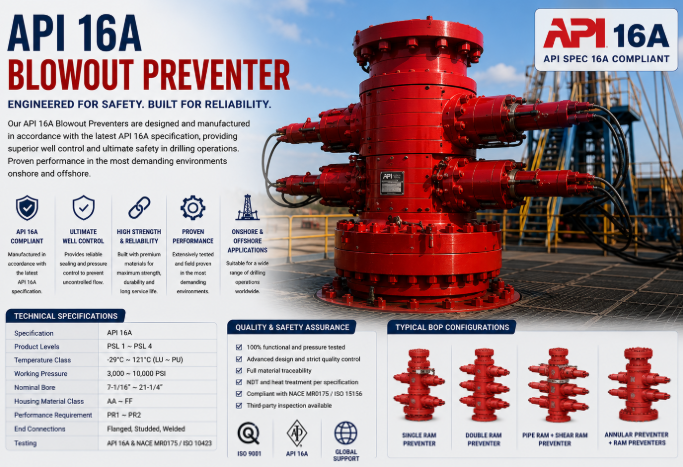
Shale gas fracturing puts heavy stress on oilfield equipment. High pressure, sand, vibration and long operating hours can quickly expose weak points in valves, connections and flowline products.
A failure during fracturing can lead to downtime, safety risk and expensive field delays. For this reason, buyers should confirm pressure rating, bore size, material grade, connection type and testing standards before purchasing equipment.
The key surface equipment usually includes:
- Frac tree
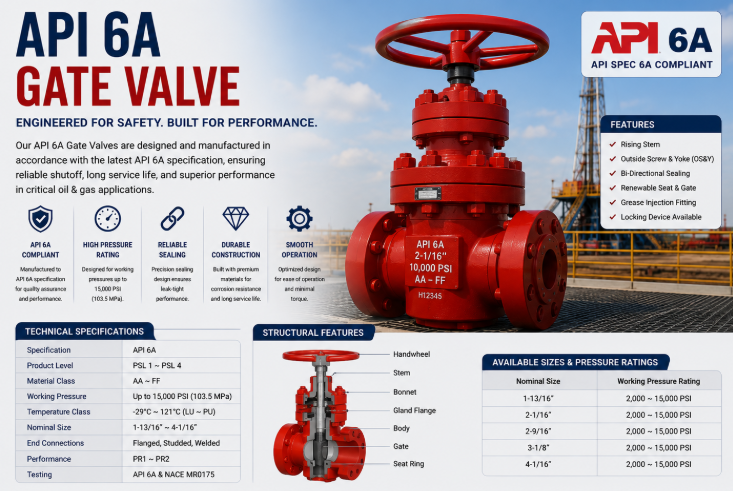
- Frac gate valve
- Frac manifold
- High-pressure frac hose
- Plug valve
- Check valve
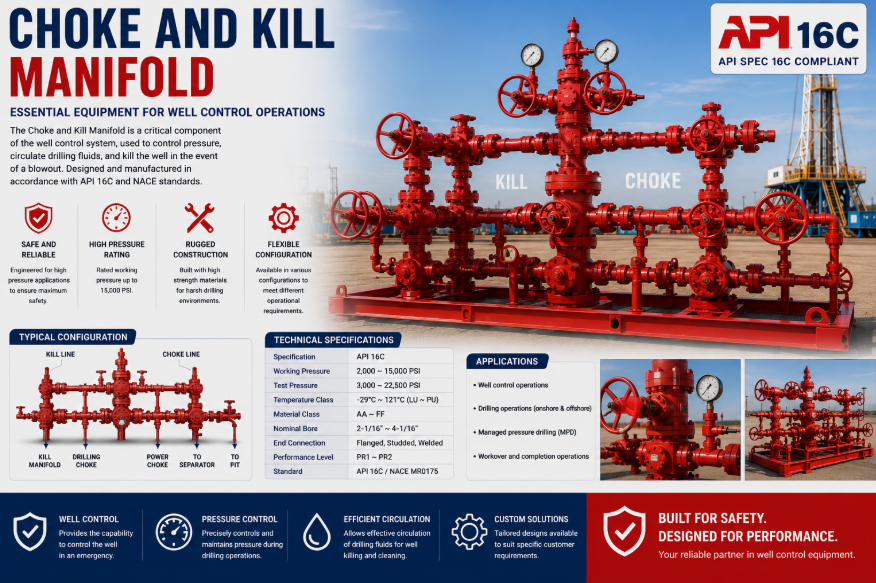
- Choke and kill manifold
- Pup joint
- Hammer union
- Adapter and crossover
- High-pressure flowline
Frac Tree for Shale Gas Fracturing
The frac tree, also called a frac stack, is installed on the wellhead during shale gas fracturing. It provides pressure control and connects the wellhead with the manifold and flowline system.
Common frac tree requirements include:
- API 6A standard
- 5,000 psi, 10,000 psi or 15,000 psi pressure rating
- Large bore design
- Reliable sealing performance
- Multiple outlet configuration
- PSL and PR level according to project demand
- Material suitable for high-pressure gas service
For shale gas projects, the frac tree should be selected according to actual well pressure, flow rate, wellhead layout and connection requirements.
Frac Valve for High-Pressure Control
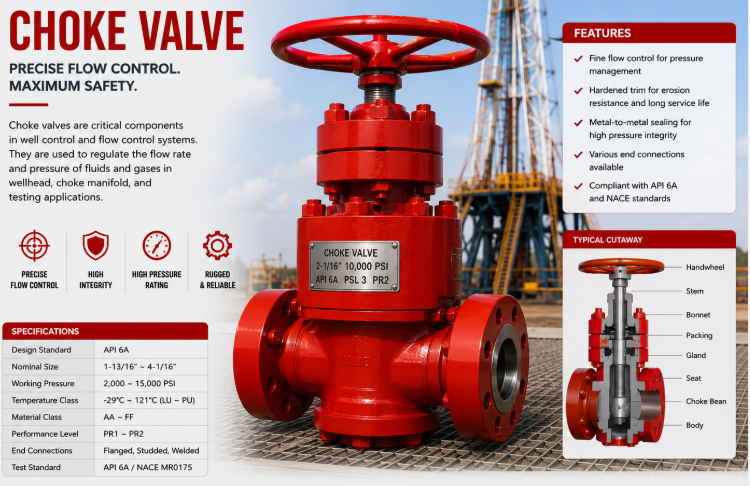
Frac valves are used to control the high-pressure fracturing fluid during operation. In shale gas fracturing, valves are exposed to abrasive proppant and repeated open-close cycles.
A good frac valve should provide:
- Stable sealing
- Sand resistance
- High-pressure performance
- Easy maintenance
- Long service life
- API 6A compliance
- Spare parts availability
For buyers, valve quality should not be judged by price alone. A low-cost valve may increase repair frequency and cause downtime during multi-stage fracturing operations.
Frac Manifold and Flowline System
The frac manifold distributes high-pressure fluid from pumping units to the wellhead. It works together with plug valves, check valves, tees, crosses, elbows, pup joints and hammer unions.
When choosing a frac manifold for shale gas fracturing, buyers should check:
- Working pressure
- Flow capacity
- Manifold layout
- Valve arrangement
- Skid structure
- Connection type
- Pressure test report
- Packing and delivery plan
A properly designed manifold system helps reduce installation problems and improves field operation efficiency.
Frac Hose and High-Pressure Flowline
Frac hoses and flowline products connect different parts of the fracturing system. They must handle high pressure, movement, abrasive fluid and field installation requirements.
Important details include:
- Pressure rating
- Inner diameter
- End connection
- Temperature range
- Bend radius
- Abrasion resistance
- Fire resistance, if required
- Test certificate
For shale gas fracturing, the hose and flowline pressure rating should match the frac tree, manifold and valve system.
What Buyers Should Confirm Before Ordering
Before requesting a quotation, buyers should prepare the main technical information. This helps suppliers provide a faster and more accurate proposal.
Useful information includes:
- Product name
- Working pressure
- Bore size
- Quantity
- API standard requirement
- Material grade
- PSL / PR level
- Connection type
- Working medium
- H2S or CO2 condition
- Destination country
- Required delivery time
- Drawing or specification sheet
If the configuration is not finalized, buyers can send the wellhead layout and operation requirements first. The supplier can recommend suitable frac tree, valve, manifold and flowline solutions.
Choosing a Shale Gas Fracturing Equipment Supplier
A reliable supplier should understand both manufacturing and field application. For shale gas fracturing projects, buyers should ask:
- Can the supplier provide technical drawings?
- Can the equipment be customized?
- Is pressure testing available before shipment?
- Are material certificates available?
- Can spare parts be supplied later?
- Does the supplier understand API 6A requirements?
- Can the supplier support export packing and documents?
Good communication before production can reduce mistakes and save time during installation.
Kytider Shale Gas Fracturing Equipment
Kytider supplies oilfield equipment for shale gas fracturing and high-pressure well stimulation operations. Our product range includes frac trees, frac valves, frac manifolds, frac hoses, choke and kill manifolds, high-pressure flowline products and related spare parts.
We can support customized configurations according to pressure rating, bore size, connection type and project requirements.
If you are sourcing shale gas fracturing equipment, send us your technical requirements. Our team can help check the suitable configuration and provide a quotation.
FAQ
What is shale gas fracturing?
Shale gas fracturing is a stimulation process used to create fractures in shale formations so natural gas can flow into the wellbore.
What equipment is used in shale gas fracturing?
Common equipment includes frac tree, frac valve, frac manifold, frac hose, plug valve, check valve, pup joint, hammer union and high-pressure flowline.
What pressure rating is common for shale gas fracturing equipment?
Common pressure ratings include 5,000 psi, 10,000 psi and 15,000 psi. The final choice depends on well conditions and project requirements.
What standard is used for frac trees and frac valves?
API 6A is commonly used for wellhead equipment, frac trees and frac valves.
How can I get a quotation?
Send pressure rating, bore size, quantity, connection type, material requirement and destination country. Drawings or specifications will help speed up the quotation.