




API 16A Blowout Preventer
API 16A Blowout Preventer for Oil and Gas Well Control
When a well starts showing abnormal pressure, the blowout preventer becomes one of the most important pieces of equipment on the rig. It must close, seal and hold pressure when the drilling operation needs immediate control.
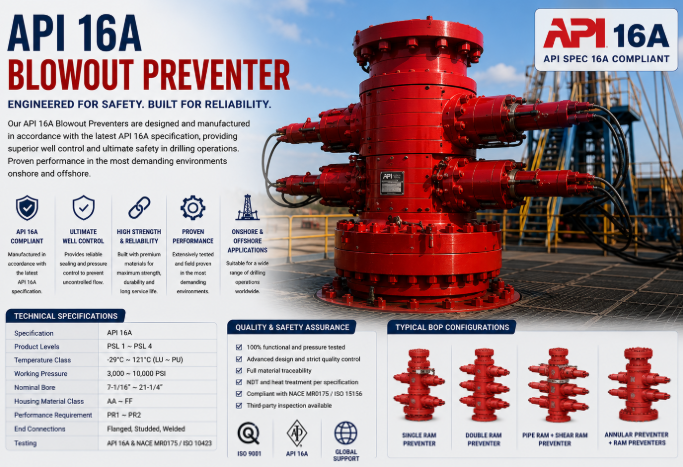
An API 16A blowout preventer is designed for this type of critical well control service. It is used during drilling, workover and well intervention operations to prevent uncontrolled flow from the wellbore and protect personnel, rig equipment and the surrounding environment.
For buyers, choosing a blowout preventer is not a simple catalog purchase. The BOP must match the well pressure, bore size, connection standard, ram type, control system and service condition.
What Is an API 16A Blowout Preventer?
An API 16A blowout preventer is a pressure-control device manufactured according to API 16A requirements for drilling and well control equipment. It is installed on top of the wellhead or casing head and used to shut in the well when pressure control is required.
A BOP can seal around drill pipe, casing, tubing or open hole, depending on the type and configuration.
Common applications include:
- Oil well drilling
- Gas well drilling
- Workover operations
- Well intervention
- High-pressure well control
- Sour gas well service
- Drilling rig pressure-control systems
- Emergency shut-in operations
In most drilling projects, the BOP works together with choke manifolds, kill manifolds, drilling spools, hydraulic control systems and high-pressure valves.
Why API 16A Is Important
API 16A is a key standard for blowout preventers and related drilling pressure-control equipment. For international oilfield projects, API 16A helps buyers confirm that the BOP follows recognized design, material, manufacturing, testing and performance requirements.
An API 16A blowout preventer is commonly required because it supports:
- Standardized pressure ratings
- Reliable pressure-containing design
- Better compatibility with drilling equipment
- Defined testing requirements
- Clear inspection documentation
- Material and manufacturing traceability
- Safer acceptance for oilfield projects
For a safety-critical product like a BOP, documentation is not just paperwork. It is part of the purchasing decision.
Main Types of Blowout Preventers
Annular Blowout Preventer
An annular BOP uses a sealing element to close around different pipe sizes or seal the open hole. It is commonly installed at the top of the BOP stack.
Annular BOPs are useful because they provide flexible sealing capability during drilling operations.
Ram Blowout Preventer
A ram BOP uses ram blocks to seal the wellbore. Different ram types are selected according to the drilling condition.
Common ram types include:
- Pipe ram
- Blind ram
- Shear ram
- Blind shear ram
- Variable bore ram
Ram BOPs are widely used because they provide strong sealing performance and can be configured for different well control requirements.
Single Ram and Double Ram BOP
A single ram BOP has one ram cavity, while a double ram BOP has two ram cavities. Double ram BOPs allow different ram types to be installed in one body, giving the operator more control options.
Key Specifications Buyers Should Confirm
Before ordering an API 16A blowout preventer, buyers should confirm the full technical requirement. A wrong bore size, pressure rating or connection type can delay installation and project approval.
Important specifications include:
- BOP type: annular, single ram or double ram
- Working pressure: 2,000 psi, 3,000 psi, 5,000 psi, 10,000 psi, 15,000 psi or higher
- Nominal bore size
- Top and bottom connection
- API flange size and pressure rating
- Ram type and ram size
- Hydraulic operating pressure
- Material class
- Temperature rating
- Service condition: standard, H2S, CO2 or corrosive service
- API 16A requirement
- Control system compatibility
- Required test and inspection documents
For sour service wells, material selection and sealing elements should be checked carefully before production.
API 16A BOP in a Well Control System
A blowout preventer does not work alone. It is part of a complete well control system designed to shut in the well, circulate out influx and restore pressure balance.
Related equipment may include:
- BOP stack
- Annular BOP
- Ram BOP
- Drilling spool
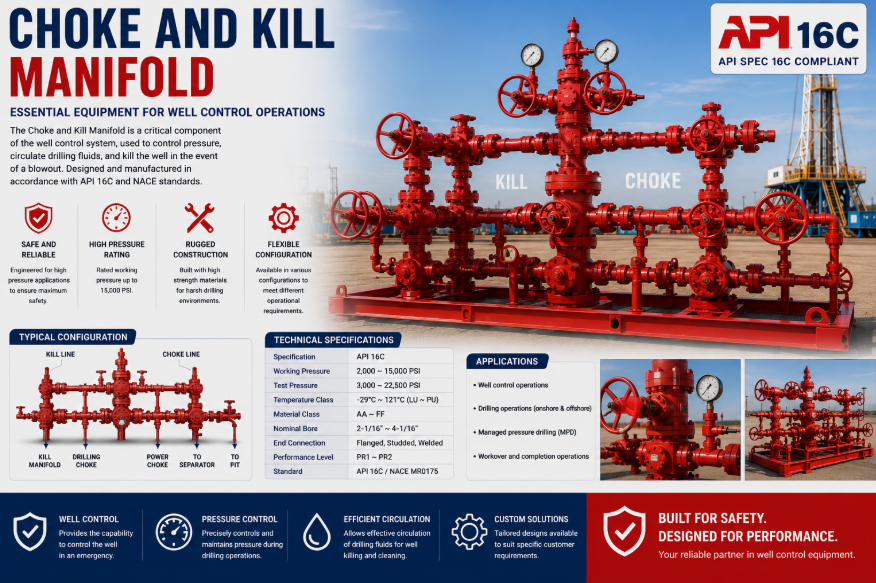
- Choke manifold
- Kill manifold
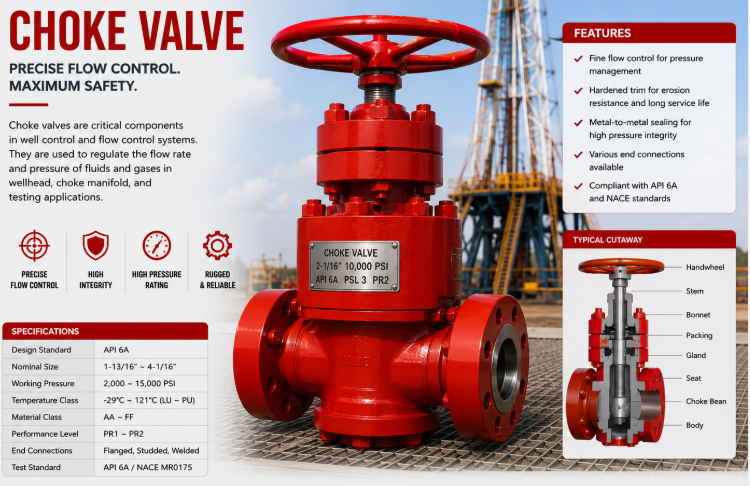
- Choke valve
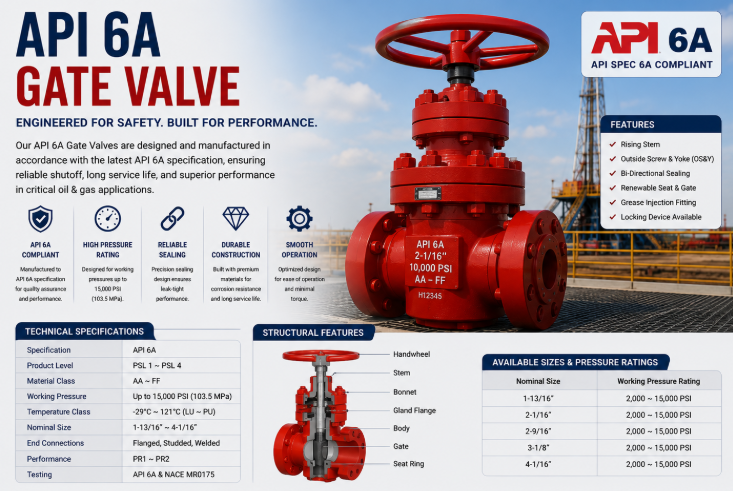
- Gate valve
- Hydraulic control unit
- Accumulator unit
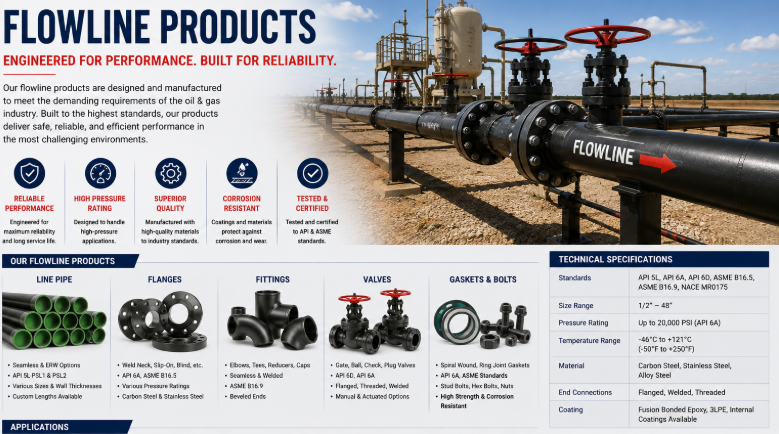
- High-pressure flowline
- Wellhead equipment
- BOP spare parts
When sourcing a BOP, buyers should check whether all connected equipment has the same pressure rating and compatible flange connections.
Common Purchasing Problems
Many BOP procurement delays happen because the inquiry is incomplete. “API 16A Blowout Preventer” is only the starting point. The supplier still needs detailed technical information.
Common problems include:
- No clear BOP type
- Missing bore size
- Wrong pressure rating
- Unconfirmed top and bottom connection
- No ram specification
- No sour service requirement
- Control system mismatch
- Missing inspection document requirement
- No delivery schedule confirmation
For project orders, it is better to send a technical datasheet, rig requirement or existing BOP drawing at the beginning.
How to Choose an API 16A Blowout Preventer Supplier
A qualified BOP supplier should understand drilling pressure-control systems, not only equipment quotation. BOP selection involves safety, compatibility and field operation requirements.
When comparing suppliers, check:
- Experience with API 16A well control equipment
- Ability to supply annular BOP and ram BOP configurations
- Support for different pressure ratings and bore sizes
- Pressure testing before shipment
- Material traceability
- Inspection and test documentation
- Spare parts supply capability
- Export packing experience
- Fast technical communication
For overseas buyers, spare parts support is especially important. Ram blocks, sealing elements and repair kits may be needed during later field maintenance.
Information Needed for a Fast Quotation
To receive an accurate quotation, prepare these details:
- BOP type
- Working pressure
- Nominal bore size
- Top connection
- Bottom connection
- Ram type and quantity
- Service condition
- Temperature rating
- API 16A requirement
- Control system requirement
- Quantity
- Destination country
- Required delivery time
- Drawing or datasheet if available
If the BOP is used to replace existing equipment, nameplate photos and connection photos can help confirm the model faster.
Kytider API 16A Blowout Preventer Supply
Kytider supplies API 16A blowout preventers and related well control equipment for drilling, workover and oilfield pressure-control applications. Products can be selected according to BOP type, working pressure, bore size, connection type, ram configuration and service condition.
Kytider can also support wellhead equipment, gate valves, choke and kill manifold components, drilling spools, high-pressure flowline products and BOP spare parts.
If you are sourcing an API 16A blowout preventer for an oil or gas project, send your technical requirements to Kytider. Our team can help check the suitable configuration and provide a quotation based on your well control requirements.
FAQ About API 16A Blowout Preventer
What is an API 16A blowout preventer?
It is a well control device designed according to API 16A requirements and used to shut in oil and gas wells during drilling or workover operations.
What types of blowout preventers are commonly used?
Common types include annular BOP, single ram BOP and double ram BOP.
What pressure ratings are common for BOP equipment?
Common pressure ratings include 2,000 psi, 3,000 psi, 5,000 psi, 10,000 psi and 15,000 psi.
What information is needed before buying a BOP?
Buyers should confirm BOP type, working pressure, bore size, top and bottom connection, ram type, service condition and required documents.
Can Kytider supply related well control equipment?
Yes. Kytider can support BOP equipment, wellhead equipment, choke and kill manifold components, gate valves, drilling spools and related pressure-control products.