




Choke and Kill Manifold
Choke and Kill Manifold for Oil and Gas Well Control
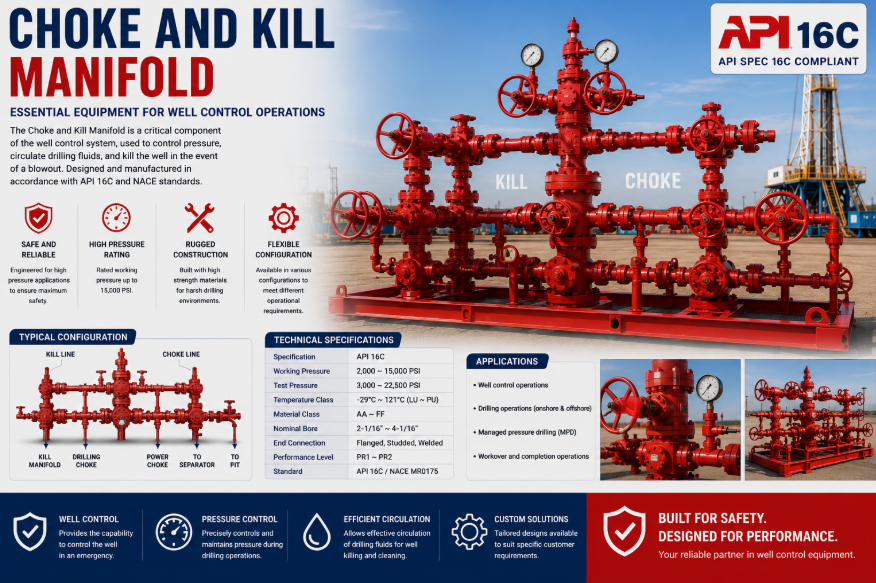
A choke and kill manifold is a key part of the well control system used during drilling, workover and pressure-control operations. When a well shows abnormal pressure, the manifold helps operators control flow, regulate back pressure and pump kill fluid into the wellbore.
For drilling contractors, oilfield service companies and equipment buyers, a choke and kill manifold is not just a group of valves and pipes. It must be designed as a reliable pressure-control package, with correct pressure rating, bore size, valve configuration, connection type and testing documentation.
What Is a Choke and Kill Manifold?
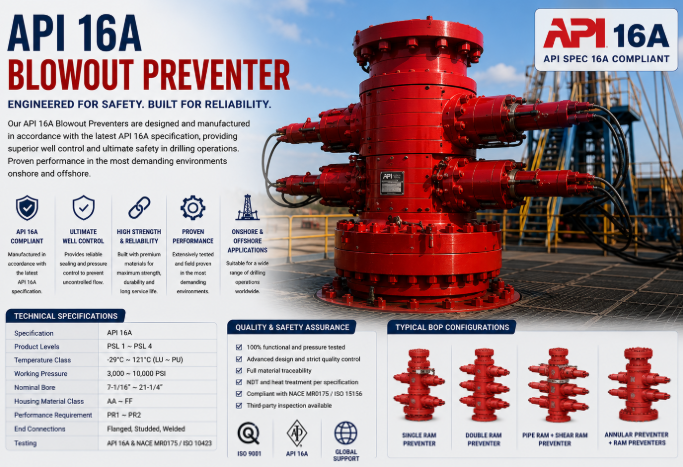
A choke and kill manifold is a high-pressure manifold system connected to the BOP stack through choke lines and kill lines.
The choke manifold controls flow from the well and helps maintain proper back pressure during well control operations. The kill manifold allows kill fluid or drilling fluid to be pumped into the well to control formation pressure.
A typical system may include:
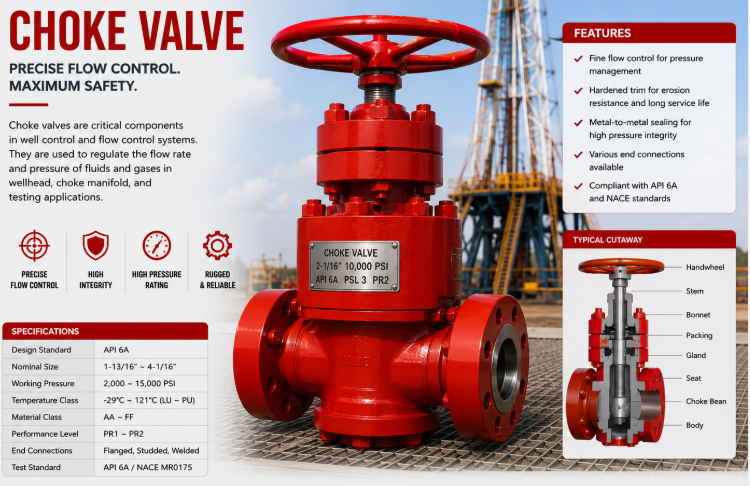
- Choke valve
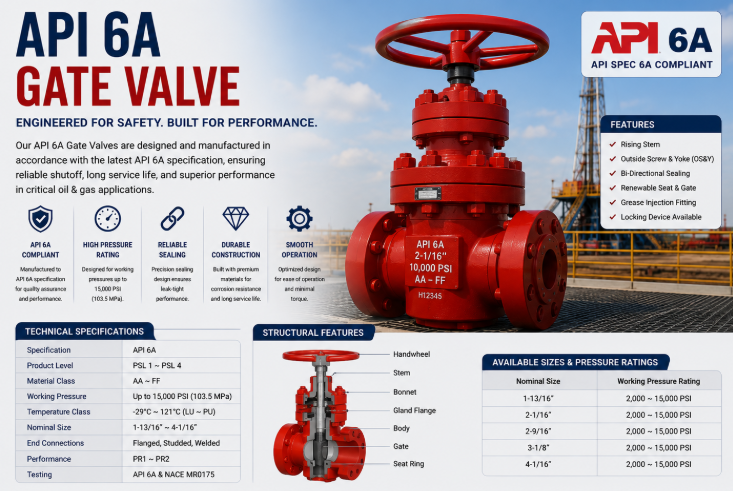
- Gate valve
- Check valve
- Tee and cross
- High-pressure pipe
- Pressure gauge
- Flanged connection
- Studded connection
- Hammer union connection
- Manual choke or hydraulic choke
- Skid-mounted frame
- Control panel if required
The exact configuration depends on drilling program, working pressure, rig layout and well control requirement.
Why Choke and Kill Manifold Quality Matters
During a well control event, the choke and kill manifold must work under high pressure and harsh field conditions. Any leakage, valve failure or connection mismatch can delay pressure-control operations and increase safety risk.
Reliable choke and kill manifold equipment helps operators:
- Control well flow during kicks
- Maintain required back pressure
- Pump kill fluid into the wellbore
- Protect BOP and surface equipment
- Improve drilling safety
- Reduce downtime during pressure events
- Support well control procedures
Because this equipment is connected directly with well control operations, pressure testing and documentation should be checked carefully before shipment.
Choke Manifold vs Kill Manifold
Although they are often discussed together, the choke manifold and kill manifold have different functions.
The choke manifold is mainly used to control flow coming from the well. It allows operators to regulate pressure by adjusting the choke valve.
The kill manifold is mainly used to pump fluid into the well. It helps increase hydrostatic pressure and bring the well back under control.
In a complete well control system, both parts work together with the BOP stack, drilling spool, control system and high-pressure flowline.
Common Specifications Buyers Should Confirm
Before ordering a choke and kill manifold, buyers should prepare the technical requirements clearly. This helps the supplier confirm the correct design and avoid later installation problems.
Important specifications include:
- Working pressure: 2,000 psi, 3,000 psi, 5,000 psi, 10,000 psi or 15,000 psi
- Nominal bore size
- Standard requirement: API 16C or project-specific requirement
- Valve type and quantity
- Manual choke or hydraulic choke
- Connection type: flanged, studded, hammer union or customized
- Material class
- Temperature rating
- Service condition: standard, H2S, CO2 or corrosive service
- Skid design requirement
- Pressure gauge and control panel requirement
- Test and inspection documentation
For sour service wells, material selection and sealing parts should be confirmed before production.
Where Choke and Kill Manifold Is Used
Choke and kill manifolds are used in drilling and well control systems where pressure must be managed safely.
Common applications include:
- Oil well drilling
- Gas well drilling
- Workover operations
- Well intervention
- High-pressure well control
- Sour gas well service
- BOP stack connection
- Drilling rig pressure-control system
They are usually used together with:
- Blowout preventer
- Drilling spool
- Gate valve
- Choke valve
- Kill line
- Choke line
- High-pressure flowline
- Wellhead equipment
- Mud gas separator
How to Choose a Choke and Kill Manifold Supplier
A qualified supplier should understand well control systems, not only manifold fabrication. The choke and kill manifold must match the rig, BOP stack, wellhead connection and pressure-control requirement.
When comparing suppliers, check:
- Experience with oilfield well control equipment
- Ability to supply API-related manifold systems
- Support for 5,000 psi, 10,000 psi and 15,000 psi pressure ratings
- Pressure testing before delivery
- Material traceability
- Valve and connection compatibility
- Customized layout support
- Export packing experience
- Fast technical response
For international buyers, clear drawings and inspection documents are very important. They help confirm the manifold layout before production and reduce problems during installation.
Information Needed for a Fast Quotation
To receive an accurate quotation, prepare these details:
- Working pressure
- Bore size
- Manifold type
- Valve configuration
- Choke type
- Connection standard
- Material requirement
- Service condition
- Quantity
- Skid-mounted requirement
- Drawing or technical specification
- Destination country
- Required delivery time
If the manifold will connect with an existing BOP stack, send the connection size and flange details together with the inquiry.
Kytider Choke and Kill Manifold Supply
Kytider supplies choke and kill manifold equipment and related oilfield pressure-control products for drilling, workover and well control applications. Products can be selected according to working pressure, bore size, valve configuration, connection type, material class and field service condition.
Kytider can also support wellhead equipment, API 6A gate valves, blowout preventer related equipment, drilling spools, high-pressure flowline products, flanges, adapters and other pressure-control components.
If you are sourcing a choke and kill manifold for an oil or gas drilling project, send your technical requirements to Kytider. Our team can help check the suitable configuration and provide a quotation based on your well control needs.
FAQ
What is a choke and kill manifold used for?
It is used to control well flow, regulate pressure and pump kill fluid during drilling or well control operations.
What is the difference between choke manifold and kill manifold?
The choke manifold controls flow from the well, while the kill manifold is used to pump fluid into the wellbore.
What standard is commonly used for choke and kill manifold?
API 16C is commonly used for choke and kill systems in oilfield well control applications.
What pressure ratings are available?
Common pressure ratings include 3,000 psi, 5,000 psi, 10,000 psi and 15,000 psi.
How can I get a quotation?
Send the working pressure, bore size, valve configuration, connection type, service condition, quantity and drawing if available. Kytider can help confirm the suitable manifold design.